From 26 to 31 July 2026, the “Yuanlai Shili · Lizhi Chengyu” summer “Serve the Nation” enterprise-visit practice team of DLI (Leicester International Institute, Dalian University of Technology) travelled to Chengdu and Chongqing for a series of company visits, led by Mr. Tang Ziyu, who heads careers and employment at the College. Centred on the theme of aligning young talent development with industry needs, the programme combined company tours, round-table discussions and field research to help students appreciate national strategies and set their own direction of growth at the front line of industry.
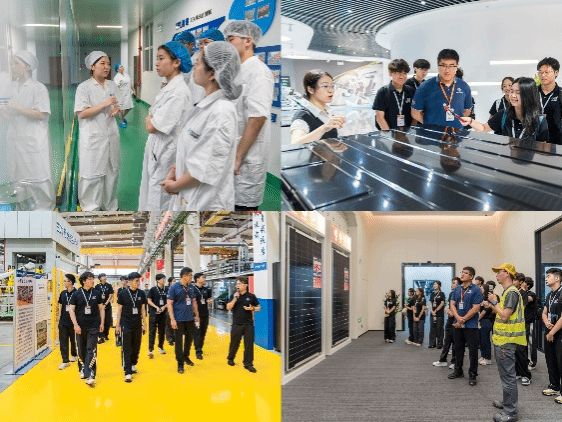
During the trip, the team visited eight representative enterprises: Tongwei Solar, Lingkai Group, Gree Electric Appliances (Chengdu base), Xinjin Shidai New Energy, Sichuan Zhongxin General Electric Power, Chengdu Mushan National Data Annotation Base, Deepal Automobile and Chongqing Huasen Pharmaceutical. Together they cover six core industry chains of the Chengdu–Chongqing region: new energy, digital information, smart manufacturing, smart power, new energy vehicles and biomedicine. From photovoltaic smart production lines to intelligent power-battery factories, from a data annotation industrial base to a smart vehicle showroom, and from the digital transformation of traditional manufacturing to the standardised production of biomedicine, team members gained an immersive appreciation of how national strategies such as building a manufacturing powerhouse and Digital China are taking root in western China, and formed a direct understanding of what new quality productive forces mean in industrial terms.
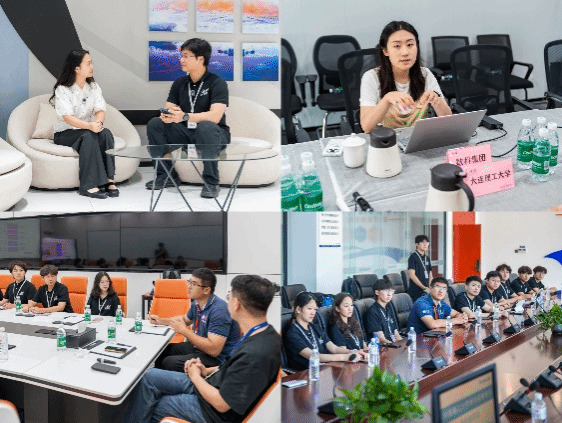
Throughout the visits, the team held round-table discussions with managers and technical leaders from several of the companies, exchanging views in depth on industry trends, directions for technological innovation, the competency standards expected of graduates and how university education can better match them. These exchanges gave students a clear picture of what industry genuinely asks of young talent and helped break down the cognitive barriers between classroom theory and industrial practice.
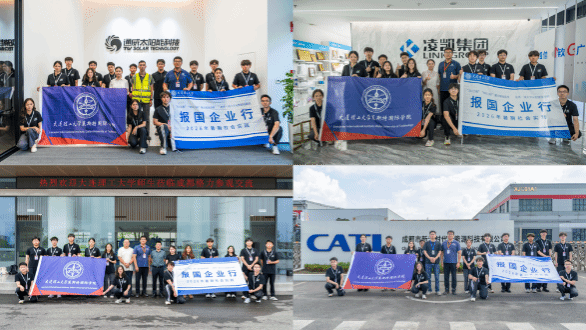
By linking up the core industrial resources of the Chengdu–Chongqing twin cities, the programme built a complete educational chain running from the classroom to the workshop, from theory to the site, and from academic planning to career development. Team members witnessed the vigorous momentum and broad opportunities of coordinated development in the region, and came to a sharper sense of the mission shouldered by young people in the new era, strengthening their resolve to put down roots in western China and serve national strategies. The activity provides the College with a high-quality practical platform for cultivating versatile innovators who combine professional competence, industry insight and a sense of national responsibility.